Mechanical Foot Pain and How It Is Managed

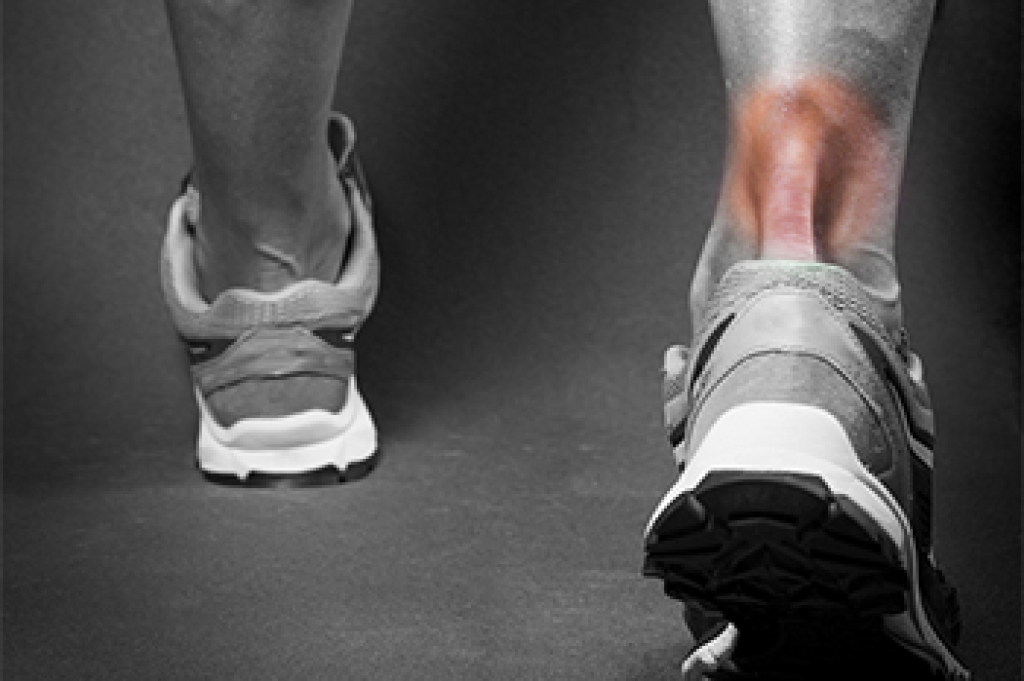
Mechanical foot pain develops when the structures of the foot are placed under repeated stress or load. This type of pain often comes from how the foot moves, bears weight, or absorbs impact. Common causes include overuse, wearing poor footwear, loss of arch support, uneven pressure during walking, and muscle or tendon imbalance. Flat feet or high arches can also increase strain on certain areas, leading to soreness or sharp pain with activity. Symptoms often worsen with standing or walking, and improve with rest. Management focuses on reducing stress and improving function. Supportive shoes, custom orthotics, stretching, and activity modification can help relieve symptoms and prevent recurrence. Early attention to discomfort can stop small issues from becoming chronic problems. If foot pain continues despite basic care, it is suggested that you see a podiatrist for evaluation and personalized treatment.

Foot Pain

Foot pain can be extremely painful and debilitating. If you have a foot pain, consult with Elie C. Daniel, DPM from Illinois. Our doctor will assess your condition and provide you with quality foot and ankle treatment.

Causes

Foot pain is a very broad condition that could be caused by one or more ailments. The most common include:

  • Bunions
  • Hammertoes
  • Plantar Fasciitis
  • Bone Spurs
  • Corns
  • Tarsal Tunnel Syndrome
  • Ingrown Toenails
  • Arthritis (such as Gout, Rheumatoid, and Osteoarthritis)
  • Flat Feet
  • Injury (from stress fractures, broken toe, foot, ankle, Achilles tendon ruptures, and sprains)
  • And more

Diagnosis

To figure out the cause of foot pain, podiatrists utilize several different methods. This can range from simple visual inspections and sensation tests to X-rays and MRI scans. Prior medical history, family medical history, and any recent physical traumatic events will all be taken into consideration for a proper diagnosis.

Treatment

Treatment depends upon the cause of the foot pain. Whether it is resting, staying off the foot, or having surgery; podiatrists have a number of treatment options available for foot pain.

If you have any questions, please feel free to contact our offices located in Princeton, Peru, and Mendota, IL . We offer the newest diagnostic and treatment technologies for all your foot care needs.

Read more about Foot Pain

Causes of an Infected Foot Blister

An infected foot blister develops when a fluid filled lesion on the skin becomes contaminated with bacteria, often after friction, pressure, or improper care. Blisters commonly form from wearing tight footwear, prolonged walking, or moisture that irritates the skin. When infection occurs, symptoms may include increased pain, redness, warmth, swelling, foul smell, and the presence of pus. The surrounding skin may feel tender and appear inflamed, making walking uncomfortable. Relief options include keeping the area clean, protected, and properly dressed to reduce further irritation. A podiatrist can evaluate the severity of the infection, provide appropriate treatment to prevent complications. If you have a foot blister that has become infected, it is suggested that you consult a podiatrist who can offer effective treatment and prevention solutions.

Blisters are prone to making everyday activities extremely uncomfortable. If your feet are hurting, contact Elie C. Daniel, DPM of Illinois. Our doctor can provide the care you need to keep you pain-free and on your feet.

Foot Blisters

Foot blisters develop as a result of constantly wearing tight or ill-fitting footwear. This happens due to the constant rubbing from the shoe, which can often lead to pain.

What Are Foot Blisters?

A foot blister is a small fluid-filled pocket that forms on the upper-most layer of the skin. Blisters are filled with clear fluid and can lead to blood drainage or pus if the area becomes infected.

How Do Blisters Form?

Blisters on the feet are often the result of constant friction of skin and material, usually by shoe rubbing. Walking in sandals, boots, or shoes that don’t fit properly for long periods of time can result in a blister. Having consistent foot moisture and humidity can easily lead to blister formation.

Prevention & Treatment

It is important to properly care for the affected area in order to prevent infection and ease the pain. Do not lance the blister and use a Band-Aid to provide pain relief. Also, be sure to keep your feet dry and wear proper fitting shoes. If you see blood or pus in a blister, seek assistance from a podiatrist.

If you have any questions, please feel free to contact our offices located in Princeton, Peru, and Mendota, IL . We offer the newest diagnostic and treatment technologies for all your foot care needs.

Read more about Blisters

Turf Toe and the Importance of Early Treatment

Turf toe is a sprain of the ligaments surrounding the big toe joint, usually caused by sudden hyperextension during sports or activities on firm surfaces. It commonly occurs when the toe bends upward beyond its normal range, placing stress on the soft tissues. A mild injury, or grade 1 injury, involves stretching of the ligaments with tenderness and slight swelling. A moderate injury, also known as a grade 2 injury, includes partial tearing with increased pain, swelling, and limited movement. A grade 3 injury, or severe injury, involves a complete tear, significant swelling, bruising, and difficulty bearing weight. Symptoms include pain at the base of the big toe and reduced flexibility. If you have symptoms of turf toe, it is suggested that you promptly consult a podiatrist who can offer effective relief and treatment techniques. 

Toe pain can disrupt your daily activities. If you have any concerns, contact Elie C. Daniel, DPM of Illinois. Our doctor can provide the care you need to keep you pain-free and on your feet.

What Causes Toe Pain?

Most severe toe pain is caused due to a sports injury, trauma from dropping something heavy on the toe, or bumping into something rigid. Other problems can develop over time for various reasons.

Toe pain can be caused by one or more ailments. The most common include:

  • Trauma
  • Sports injury
  • Wearing shoes that are too tight
  • Arthritis
  • Gout
  • Corns and calluses
  • Hammertoe
  • Bunions
  • Blisters
  • Ingrown toenails
  • Sprains
  • Fractures (broken bones)
  • Dislocations

When to See a Podiatrist

  • Severe pain
  • Persistent pain that lasts more than a week
  • Signs of infection
  • Continued swelling
  • Pain that prevents walking

Diagnosis

In many cases the cause of toe pain is obvious, but in others, a podiatrist may want to use more advanced methods to determine the problem. These can range from simple visual inspections and sensation tests to X-rays and MRI scans. Prior medical history, family medical history, and any recent physical traumatic events will all be taken into consideration for a proper diagnosis.

Treatment

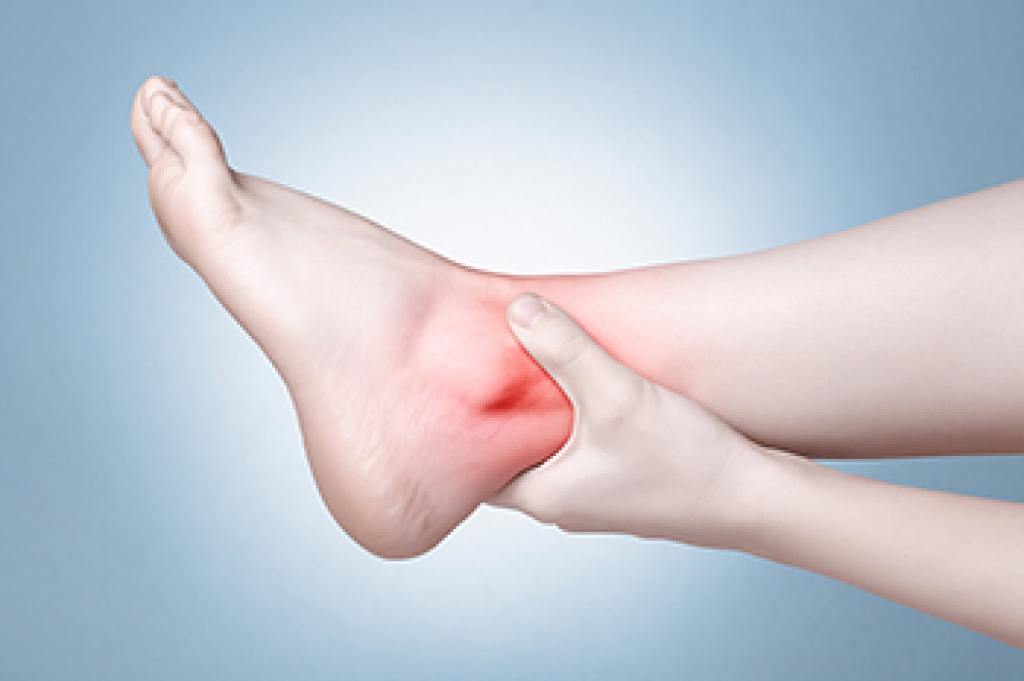
Treatments for toe pain and injuries vary and may include shoe inserts, padding, taping, medicines, injections, and in some cases, surgery. If you believe that you have broken a toe, please see a podiatrist as soon as possible.

If you have any questions please contact our offices located in Princeton, Peru, and Mendota, IL . We offer the newest diagnostic and treatment technologies for all your foot and ankle needs.
Read more about Toe Pain

How Children Learn to Walk With Confidence

Children do not move like small adults. Early walking patterns evolve as bones lengthen, muscles strengthen, and coordination improves. During growth spurts, legs may seem awkward, feet may turn in or out, and balance may temporarily change. These shifts are usually part of healthy growth, but some patterns persist longer than expected. Frequent tripping, uneven shoe wear, toe walking, or complaints or signaling of leg fatigue can show that movement mechanics need attention. Sports, footwear choices, and surface demands also influence how forces travel through the feet and ankles. Addressing concerns early can support comfort, confidence, and efficient movement as children mature. Early guidance helps prevent strain and injury. If a child shows ongoing walking difficulties, pain, or unusual shoe wear patterns, it is suggested that you see a podiatrist for a proper diagnosis and appropriate treatment.

Making sure that your children maintain good foot health is very important as they grow. If you have any questions, contact Elie C. Daniel, DPM of Illinois. Our doctor can provide the care you need to keep you pain-free and on your feet.

Keeping Children's Feet Healthy

Having healthy feet during childhood can help prevent medical problems later in life, namely in the back and legs. As children grow, their feet require different types of care. Here are some things to consider...

Although babies do not walk yet, it is still very important to take care of their feet.

Avoid putting tight shoes or socks on his or her feet.

Allow the baby to stretch and kick his or her feet to feel comfortable.

As a toddler, kids are now on the move and begin to develop differently. At this age, toddlers are getting a feel for walking, so don’t be alarmed if your toddler is unsteady or ‘walks funny’. 

As your child gets older, it is important to teach them how to take care of their feet.

Show them proper hygiene to prevent infections such as fungus.

Be watchful for any pain or injury.

Have all injuries checked by a doctor as soon as possible.

Comfortable, protective shoes should always be worn, especially at play.

If you have any questions, please feel free to contact our offices located in Princeton, Peru, and Mendota, IL . We offer the newest diagnostic and treatment technologies for all your foot care needs.

Read more about What to Do to Keep Your Child’s Feet Healthy

Connect With Us