Cuboid Syndrome and Lateral Foot Pain

Cuboid syndrome is a condition that affects the cuboid bone, which is located on the outer side of the foot. This small but important bone plays a key role in stabilizing the foot and supporting proper movement during walking and running. It acts as a connector between the midfoot and the outer column of the foot, helping to maintain balance and absorb force. When the cuboid becomes misaligned or irritated, it can lead to pain and reduced mobility.

Symptoms of cuboid syndrome often include sharp or aching pain along the outer edge of the foot. Individuals may notice discomfort when bearing weight, walking, or pushing off during activity. Swelling, tenderness, and weakness in the foot may also occur. Risk factors include repetitive strain, ankle sprains, wearing improper footwear, and activities that involve sudden directional changes. Athletes and individuals with flat feet or unstable gait patterns may be more prone to this condition.

The causes of cuboid syndrome are typically linked to mechanical stress or injury. A sudden inversion ankle injury can shift the cuboid out of its normal position. Overuse from high impact activities such as running or jumping can also contribute to irritation. Wearing unsupportive shoes may increase strain on the lateral foot and worsen symptoms. Understanding these contributing factors is important for both prevention and effective management.

The key takeaway is that cuboid syndrome can significantly impact daily movement if left untreated. Early recognition of symptoms and proper care can help restore function and relieve pain. Wearing supportive footwear and modifying activity play an important role in recovery. If you have pain in the outside of your foot, it is suggested that you consult a podiatrist who can accurately diagnose and treat cuboid syndrome.

Cuboid syndrome, also known as cuboid subluxation, occurs when the joints and ligaments near the cuboid bone in the foot become torn. If you have cuboid syndrome, consult with Elie C. Daniel, DPM from Illinois. Our doctor will assess your condition and provide you with quality foot and ankle treatment.

Cuboid syndrome is a common cause of lateral foot pain, which is pain on the outside of the foot. The condition may happen suddenly due to an ankle sprain, or it may develop slowly overtime from repetitive tension through the bone and surrounding structures.

Causes

The most common causes of cuboid syndrome include:

  • Injury – The most common cause of this ailment is an ankle sprain.
  • Repetitive Strain – Tension placed through the peroneus longus muscle from repetitive activities such as jumping and running may cause excessive traction on the bone causing it to sublux.
  • Altered Foot Biomechanics – Most people suffering from cuboid subluxation have flat feet.

Symptoms

A common symptom of cuboid syndrome is pain along the outside of the foot which can be felt in the ankle and toes. This pain may create walking difficulties and may cause those with the condition to walk with a limp.

Diagnosis

Diagnosis of cuboid syndrome is often difficult, and it is often misdiagnosed. X-rays, MRIs and CT scans often fail to properly show the cuboid subluxation. Although there isn’t a specific test used to diagnose cuboid syndrome, your podiatrist will usually check if pain is felt while pressing firmly on the cuboid bone of your foot.

Treatment

Just as the range of causes varies widely, so do treatments. Some more common treatments are ice therapy, rest, exercise, taping, and orthotics.

If you have any questions, please feel free to contact our offices located in Princeton, Peru, and Mendota, IL . We offer the newest diagnostic and treatment technologies for all your foot care needs.

Read more about All About Cuboid Syndrome

Common Causes of Foot Pain and Their Symptoms

Foot pain is a widespread condition that can affect mobility and quality of life. It may develop from structural issues, infections, or overuse injuries. Some of the most common causes include plantar fasciitis, athlete's foot, and hammertoe deformities. Each condition affects the foot differently, but all can lead to discomfort and difficulty with daily activities. Understanding these conditions helps patients recognize symptoms early and seek appropriate care.

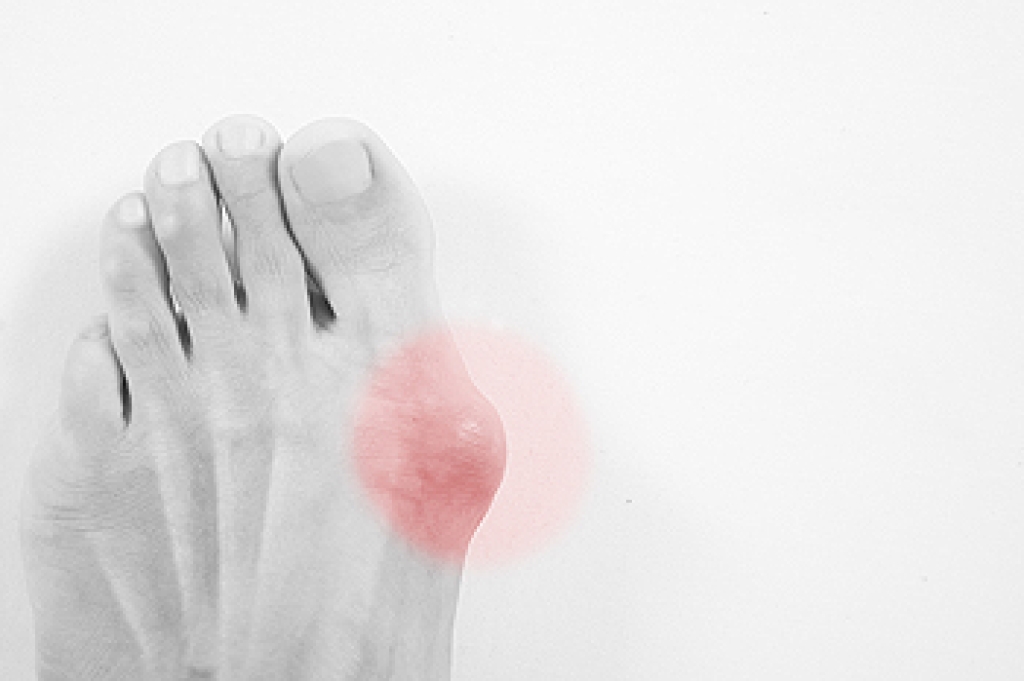
Plantar fasciitis is defined as inflammation of the plantar fascia, a thick band of tissue that supports the arch of the foot. It often causes sharp heel pain, especially with the first steps in the morning. Bunions are bony enlargements that form at the base of the big toe, leading to swelling, redness, and joint misalignment. Athlete’s foot is a fungal infection that affects the skin, causing itching, peeling, and cracking between the toes. Additionally, hammertoe is a deformity where a toe becomes bent at the middle joint, leading to pain, corns, and difficulty wearing shoes.


The causes of these conditions vary, but often involve repetitive stress, wearing improper footwear, and biomechanical imbalances. Plantar fasciitis is commonly linked to overuse and tight calf muscles. Bunions may develop due to genetics and pressure from narrow shoes. Athlete’s foot thrives in warm, moist environments such as sweaty footwear. Hammertoe can result from muscle imbalance or long-term use of tight-fitting shoes that crowd the toes.


Risk factors include prolonged standing, high-impact activities, obesity, and wearing poorly fitted shoes. Early intervention can prevent these conditions from worsening. Supportive footwear, proper hygiene, and regular foot care play an important role in prevention. If you have foot pain, it is suggested that you consult a podiatrist for an accurate diagnosis and appropriate treatment to maintain healthy and pain-free feet.

Foot Pain

Foot pain can be extremely painful and debilitating. If you have a foot pain, consult with Elie C. Daniel, DPM from Illinois. Our doctor will assess your condition and provide you with quality foot and ankle treatment.

Causes

Foot pain is a very broad condition that could be caused by one or more ailments. The most common include:

  • Bunions
  • Hammertoes
  • Plantar Fasciitis
  • Bone Spurs
  • Corns
  • Tarsal Tunnel Syndrome
  • Ingrown Toenails
  • Arthritis (such as Gout, Rheumatoid, and Osteoarthritis)
  • Flat Feet
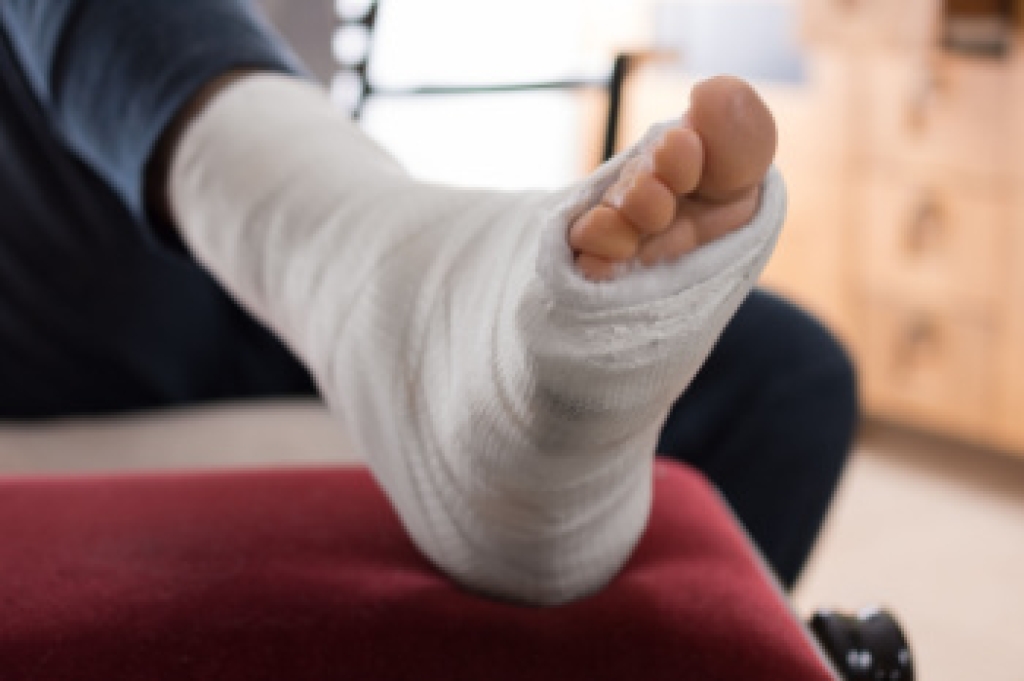
  • Injury (from stress fractures, broken toe, foot, ankle, Achilles tendon ruptures, and sprains)
  • And more

Diagnosis

To figure out the cause of foot pain, podiatrists utilize several different methods. This can range from simple visual inspections and sensation tests to X-rays and MRI scans. Prior medical history, family medical history, and any recent physical traumatic events will all be taken into consideration for a proper diagnosis.

Treatment

Treatment depends upon the cause of the foot pain. Whether it is resting, staying off the foot, or having surgery; podiatrists have a number of treatment options available for foot pain.

If you have any questions, please feel free to contact our offices located in Princeton, Peru, and Mendota, IL . We offer the newest diagnostic and treatment technologies for all your foot care needs.
Read more about Foot Pain

Why Live with Pain and Numbness in Your Feet?

Suffering from this type of pain? You may have the foot condition known as Morton's neuroma. Morton's neuroma may develop as a result of ill-fitting footwear and existing foot deformities. We can help.

Choosing the Right Running Shoes to Prevent Foot Injuries

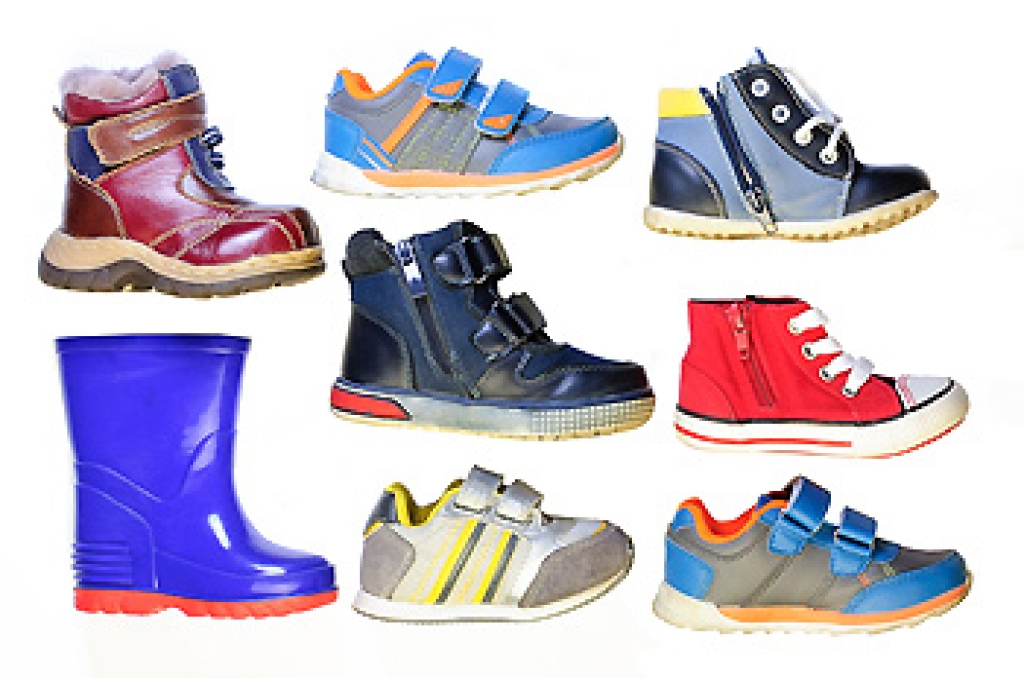
Preventing running injuries begins with understanding how footwear supports the foot during repetitive movement. Running places repeated stress on the bones, joints, and soft tissue structures of the feet. Without proper protection, this stress can lead to common conditions, such as plantar fasciitis, stress fractures, and tendon irritation. Running shoes are designed to reduce impact forces, improve alignment, and provide stability. Selecting the correct pair is one of the most effective ways to reduce injury risk and maintain long-term foot health.

Symptoms of wearing improper footwear develop gradually and include heel pain, arch discomfort, shin pain, or ankle instability. Runners may also notice blisters, calluses, or uneven wear patterns on their shoes. These signs suggest that the foot is not receiving adequate support or shock absorption. Over time, this can increase strain on ligaments and tendons, leading to chronic injury. Recognizing early symptoms allows runners to make timely adjustments before more serious conditions develop.


Several risk factors contribute to running-related injuries. Included are poor shoe fit, worn out footwear, and biomechanical imbalances like flat feet or high arches. Shoes that lack proper cushioning fail to absorb impact, while those without stability features can allow excessive inward or outward foot motion. Motion control and stability shoes are designed to guide the foot into a more neutral position, which helps reduce strain. Matching shoes to an individual's running style and gait pattern is essential for proper support.


Choosing the right running shoe involves proper sizing, adequate arch support, and selecting a design that aligns with your running mechanics. A well-fitted shoe should provide enough room in the toe box while securing the heel. Shock absorbing materials and structured midsoles help protect the foot during impact. A podiatrist can evaluate gait and recommend appropriate footwear based on individual needs. If you have foot pain while running, it is suggested that you consult a podiatrist for effective relief tips and guidance on choosing shoes for pain-free running.

All runners should take extra precaution when trying to avoid injury. If you have any concerns about your feet, contact Elie C. Daniel, DPM of Illinois. Our doctor will treat your foot and ankle needs.

How to Prevent Running Injuries

There are a lot of mistakes a runner can make prior to a workout that can induce injury. A lot of athletes tend to overstretch before running, instead of saving those workouts for a post-run routine. Deep lunges and hand-to-toe hamstring pulls should be performed after a workout instead of during a warmup. Another common mistake is jumping into an intense routine before your body is physically prepared for it. You should try to ease your way into long-distance running instead of forcing yourself to rush into it.

More Tips for Preventing Injury

  • Incorporate Strength Training into Workouts - This will help improve the body’s overall athleticism
  • Improve and Maintain Your Flexibility – Stretching everyday will help improve overall performance
  • “Warm Up” Before Running and “Cool Down” Afterward – A warm up of 5-10 minutes helps get rid of lactic acid in the muscles and prevents delayed muscle soreness
  • Cross-Training is Crucial
  • Wear Proper Running Shoes
  • Have a Formal Gait Analysis – Poor biomechanics can easily cause injury

If you have any questions, please feel free to contact our offices located in Princeton, Peru, and Mendota, IL . We offer the newest diagnostic and treatment technologies for all your foot care needs.
Read more about Preventing Running Injuries

Dealing With Diabetic Foot Problems

Diabetes can affect the feet in several ways and can lead to serious problems when not managed properly. High blood sugar can damage nerves and reduce blood flow to the feet. Nerve damage, called neuropathy, can cause numbness, burning, or tingling sensations. Some people lose the ability to feel pain or temperature changes. As a result, cuts, blisters, and other injuries can go unnoticed. Reduced blood flow slows healing and makes it harder for the body to fight infection. Even a small wound can become a larger problem when it is not discovered quickly. This is why people with diabetes should pay close attention to any changes in their feet.

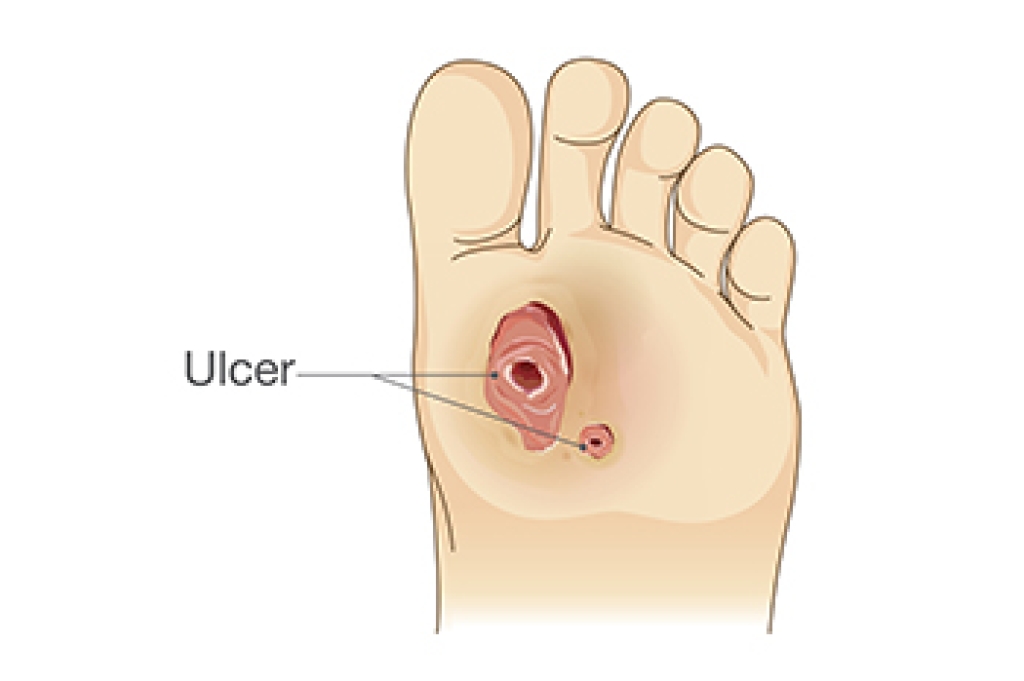
Common diabetic foot problems include dry skin, cracked heels, and thick calluses. Some people develop foot ulcers, which are open sores that can form on the bottom of the foot. Ulcers can become infected and lead to serious tissue damage. Diabetes also increases the risk of foot deformities, such as hammertoes and bunions. These conditions can create pressure points that raise the risk of skin breakdown. Swelling, redness, and drainage from a wound should never be ignored. Pain can also occur, although people with neuropathy may feel very little discomfort despite having a serious foot condition.

A podiatrist plays an important role in identifying and managing diabetic foot problems. A thorough foot examination can reveal signs of poor circulation, nerve damage, and developing wounds. Treatment includes caring for ulcers, removing thickened skin, and helping reduce pressure on painful areas. Additional treatment can address infections and foot deformities. Early diagnosis is important because untreated diabetic foot problems can lead to severe infections and tissue loss. Prompt care helps protect foot health and supports mobility. If you have foot problems related to diabetes, it is suggested that you make an appointment with a podiatrist for an exam and help in managing this serious condition.

Diabetic foot care is important in preventing foot ailments such as ulcers. If you are suffering from diabetes or have any other concerns about your feet, contact Elie C. Daniel, DPM from Illinois. Our doctor can provide the care you need to keep you pain-free and on your feet.

Diabetic Foot Care

Diabetes affects millions of people every year. The condition can damage blood vessels in many parts of the body, especially the feet. Because of this, taking care of your feet is essential if you have diabetes, and having a podiatrist help monitor your foot health is highly recommended.

The Importance of Caring for Your Feet

  • Routinely inspect your feet for bruises or sores.
  • Wear socks that fit your feet comfortably.
  • Wear comfortable shoes that provide adequate support.

Patients with diabetes should have their doctor monitor their blood levels, as blood sugar levels play such a huge role in diabetic care. Monitoring these levels on a regular basis is highly advised.

It is always best to inform your healthcare professional of any concerns you may have regarding your feet, especially for diabetic patients. Early treatment and routine foot examinations are keys to maintaining proper health, especially because severe complications can arise if proper treatment is not applied.

If you have any questions, please feel free to contact our offices located in Princeton, Peru, and Mendota, IL . We offer the newest diagnostic and treatment technologies for all your foot care needs.

Read more about Diabetic Foot Conditions

Connect With Us

Advanced Podiatric Procedures & Services in the Bureau County, IL: Princeton, Mendota, Sheffield, Spring Valley, Ladd, Dalzell, Seatonville, Tiskilwa, Walnut, Ohio, La Moille, LaSalle County, IL: Peru, Ottawa, Seneca, Marseilles, North Utica, Ransom, Granville, Leland, Sherida, Oglesby, Lee County, IL: Amboy, Dixon, Compton, Paw Paw, Sublette, Ashton, Lee Center, Steward, Henry County, IL: Orion, Colona, Andover, Kewanee, Cambridge, DeKalb County, IL: Sandwich, Somonauk, Waterman, Shabbona, Hinckley, Putnam County, IL: Hennepin, Standard, Granville (partially), Magnolia areas