
Do you suffer from heel pain when you get up in the morning? If so, you should seek professional help and have a proper diagnosis performed. Heel pain can be caused by several different foot-related conditions.
Do you suffer from heel pain when you get up in the morning? If so, you should seek professional help and have a proper diagnosis performed. Heel pain can be caused by several different foot-related conditions.
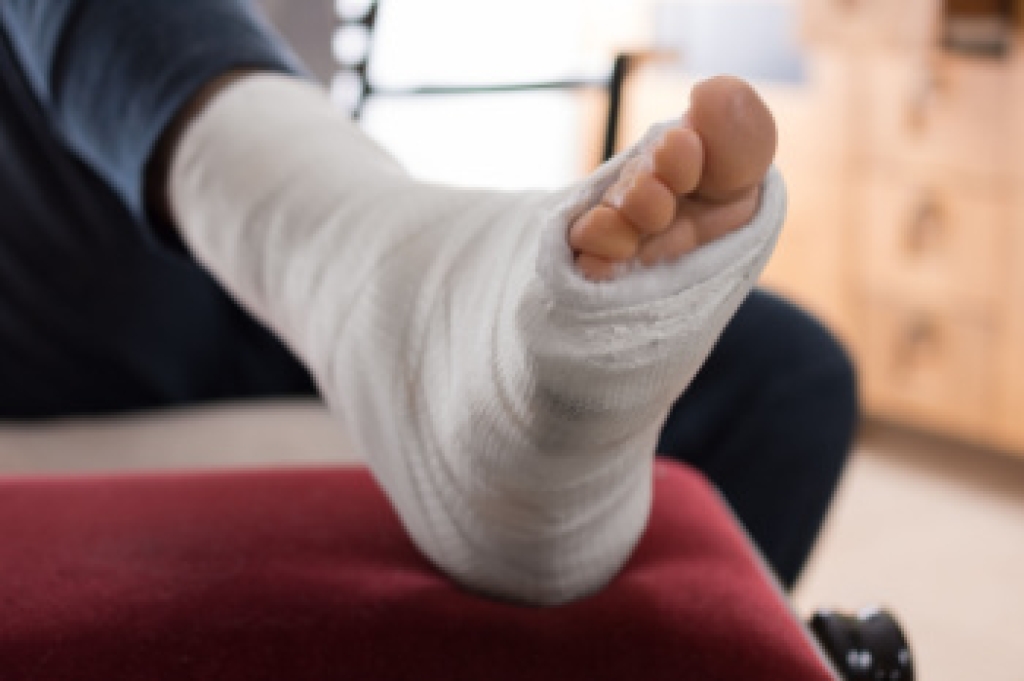
A broken foot can make standing and walking painful, but not every fracture looks severe. Foot fractures range from tiny cracks to complete breaks in a bone. Some can even break through the skin. Symptoms can include pain, swelling, and trouble moving the foot. Bruising or tenderness can also develop after an injury. A visible change in the shape of the foot strongly suggests a fracture. However, some small breaks cause little pain and no obvious deformity, which can make them difficult to recognize without a careful evaluation.
Foot bones can break after a fall, a direct blow, or an awkward twist. Stress fractures are small cracks that develop from repeated force rather than one sudden injury. They can affect athletes who take part in high-impact activities and can develop after a rapid increase in exercise intensity. A broken foot can sometimes resemble a sprain because both injuries can cause pain and swelling. Fractures, however, can produce more intense and continuous pain. Difficulty bearing weight can also occur. Proper diagnosis is important because untreated fractures can heal in poor alignment and lead to lasting mobility problems.
A podiatrist can examine an injured foot and determine whether a fracture is likely. Imaging can help confirm a break and show its location and severity. Treatment depends on the type of fracture and whether the bones remain properly aligned. A podiatrist can use a protective boot or cast to keep the injured area stable while it heals. A podiatrist can also monitor healing and determine when it is safe to increase activity. If you have symptoms of a broken foot, it is suggested that you schedule an appointment with a podiatrist for diagnosis and treatment.
A broken foot requires immediate medical attention and treatment. If you need your feet checked, contact Elie C. Daniel, DPM from Illinois. Our doctor can provide the care you need to keep you pain-free and on your feet.
Broken Foot Causes, Symptoms, and Treatment
A broken foot is caused by one of the bones in the foot typically breaking when bended, crushed, or stretched beyond its natural capabilities. Usually the location of the fracture indicates how the break occurred, whether it was through an object, fall, or any other type of injury.
Common Symptoms of Broken Feet:
Those that suspect they have a broken foot shoot seek urgent medical attention where a medical professional could diagnose the severity.
Treatment for broken bones varies depending on the cause, severity and location. Some will require the use of splints, casts or crutches while others could even involve surgery to repair the broken bones. Personal care includes the use of ice and keeping the foot stabilized and elevated.
If you have any questions, please feel free to contact our offices located in Princeton, Peru, and Mendota, IL . We offer the newest diagnostic and treatment technologies for all your foot care needs.
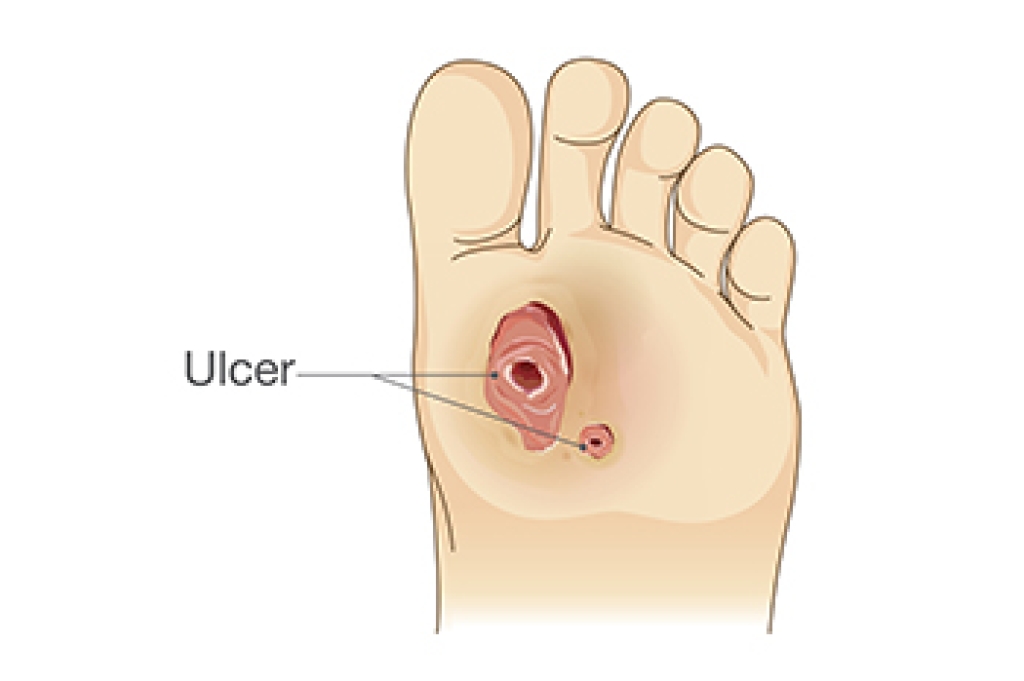
A foot ulcer is an open sore that develops on the skin of the foot and can extend deeper. These wounds can be difficult to heal when circulation or sensation is reduced. Common symptoms include redness, swelling, or an area that looks cracked or broken. An ulcer may begin as a blister or callus before becoming serious. Diabetic patients should pay close attention because nerve damage can make an injury difficult to feel.
Several risk factors can increase the chance of developing a foot ulcer. Diabetes, peripheral neuropathy, and previous ulcers are common concerns. Wearing ill-fitting shoes can create repeated pressure and friction. A hot spot is an area of the foot that feels unusually warm, irritated, or tender before the skin breaks down. Causes may include pressure from footwear, a callus, or prolonged walking. Identifying a hot spot early can help prevent a wound from developing.
Preventing foot ulcers starts with daily foot checks and properly fitted shoes. Keep feet clean and dry, moisturize dry skin without applying lotion between the toes, and avoid walking barefoot. Check for cuts, blisters, and hot spots. If you notice a wound, do not ignore it or attempt to remove surrounding tissue yourself. Prompt care can reduce complications.
A podiatrist will examine the ulcer, assess circulation and sensation, and determine how deep the wound is. Treatment may include cleaning the ulcer, removing unhealthy tissue, and reducing pressure with appropriate footwear or offloading devices. The podiatrist may also recommend imaging or coordinate care for infection, diabetes, or circulation problems when needed. Healing requires follow-up and careful home care. If you have a foot ulcer or a concerning hot spot, it is suggested that you are under the care of a podiatrist for effective relief and treatment solutions.
Wound care is an important part in dealing with diabetes. If you have diabetes and a foot wound or would like more information about wound care for diabetics, consult with Elie C. Daniel, DPM from Illinois. Our doctor will assess your condition and provide you with quality foot and ankle treatment.
What Is Wound Care?
Wound care is the practice of taking proper care of a wound. This can range from the smallest to the largest of wounds. While everyone can benefit from proper wound care, it is much more important for diabetics. Diabetics often suffer from poor blood circulation which causes wounds to heal much slower than they would in a non-diabetic.
What Is the Importance of Wound Care?
While it may not seem apparent with small ulcers on the foot, for diabetics, any size ulcer can become infected. Diabetics often also suffer from neuropathy, or nerve loss. This means they might not even feel when they have an ulcer on their foot. If the wound becomes severely infected, amputation may be necessary. Therefore, it is of the upmost importance to properly care for any and all foot wounds.
How to Care for Wounds
The best way to care for foot wounds is to prevent them. For diabetics, this means daily inspections of the feet for any signs of abnormalities or ulcers. It is also recommended to see a podiatrist several times a year for a foot inspection. If you do have an ulcer, run the wound under water to clear dirt from the wound; then apply antibiotic ointment to the wound and cover with a bandage. Bandages should be changed daily and keeping pressure off the wound is smart. It is advised to see a podiatrist, who can keep an eye on it.
If you have any questions please contact our offices located in Princeton, Peru, and Mendota, IL . We offer the newest diagnostic and treatment technologies for all your foot and ankle needs.

Parents may wonder when babies should start wearing shoes. Before a child begins to walk, shoes are not necessary indoors. In fact, bare feet allow babies to feel the floor and practice foot movements. Most children begin walking sometime between nine and 18 months, although this varies. Once a baby starts taking independent steps, soft-sole baby shoes can provide protection while allowing movement. Shoes should fit without squeezing growing toes.
Soft-sole baby shoes are a choice for early walkers because they allow the feet to bend naturally. Look for flexible materials, a toe area, and a good fit. Supportive does not mean stiff. Early footwear should protect the feet while allowing movement. Wearing shoes that are too tight can create pressure and discomfort. Poorly fitting footwear may also cause blisters, rubbing, or changes in walking patterns. Parents should check shoe fit because feet grow quickly.
Healthy baby foot development depends on choosing the right shoes. Babies benefit from opportunities to crawl, stand, and walk. Walking barefoot indoors can help develop balance and foot awareness when the environment is safe. Risk factors for foot problems include wearing restrictive footwear, poorly fitted shoes, and prolonged use of rigid shoes. Watch for persistent pain, swelling, redness, or differences between the feet. These symptoms deserve professional attention.
A podiatrist can examine a child’s feet and ankles when concerns arise. The evaluation may include checking foot structure, movement, and walking development. If a problem is found, the podiatrist may recommend footwear changes, monitoring, or other age-appropriate treatment. Parents should avoid choosing rigid corrective shoes without professional guidance. With proper fit and healthy movement, early shoes can protect developing feet without limiting natural motion. If your baby needs shoes, it is suggested that you consult a podiatrist who can guide you on the correct shoes to purchase for your child's needs.
The health of a child’s feet is vital to their overall well-being. If you have any questions regarding foot health, contact Elie C. Daniel, DPM of Illinois. Our doctor can provide the care you need to keep you pain-free and on your feet.
Tips for Keeping Children's Feet Healthy
If you have any questions, please feel free to contact our offices located in Princeton, Peru, and Mendota, IL . We offer the newest diagnostic and treatment technologies for all your foot care needs.

Ankle pain when walking can make simple activities feel difficult. The ankle supports the body and helps the foot move with each step, so pain in this area can affect balance and movement. Ankle pain can develop after an injury, but it can also have other causes. Sprains, tendon problems, and issues involving the bones or joints can all contribute to ankle discomfort. Pain may occur on one or both sides of the ankle, and can range from mild soreness to sharp or severe discomfort. Swelling, stiffness, or difficulty putting weight on the foot can also occur. A podiatrist can examine the ankle and determine what could be causing the pain.
A podiatrist can assess the ankle by checking its movement, strength, and areas of tenderness. The examination helps determine whether the pain is related to an injury, a tendon, or another part of the foot and ankle. Treatment depends on the cause and severity of the symptoms. Care can include protecting the affected area, reducing stress on the ankle, and using treatment designed to improve movement and function. A podiatrist can also assess how foot structure and walking patterns affect the ankle. This can be helpful when pain continues or returns after activity.
Ankle pain while walking should receive prompt attention when it is severe or makes it difficult to put weight on the foot. Significant swelling, a change in the shape of the ankle, or severe pain after an injury can also require careful evaluation. A podiatrist can determine whether imaging or additional treatment is appropriate based on the findings. Identifying the cause of ankle pain can help guide care and reduce the chance of continued problems with movement. An evaluation is also useful when ankle pain continues without a clear injury. If you have ankle pain while walking, it is suggested that you schedule an appointment with a podiatrist for a diagnosis and appropriate treatment.
Ankle pain can be caused by a number of problems and may be potentially serious. If you have ankle pain, consult with Elie C. Daniel, DPM from Illinois. Our doctor will assess your condition and provide you with quality foot and ankle treatment.
Ankle pain is any condition that causes pain in the ankle. Due to the fact that the ankle consists of tendons, muscles, bones, and ligaments, ankle pain can come from a number of different conditions.
Causes
The most common causes of ankle pain include:
Symptoms
Symptoms of ankle injury vary based upon the condition. Pain may include general pain and discomfort, swelling, aching, redness, bruising, burning or stabbing sensations, and/or loss of sensation.
Diagnosis
Due to the wide variety of potential causes of ankle pain, podiatrists will utilize a number of different methods to properly diagnose ankle pain. This can include asking for personal and family medical histories and of any recent injuries. Further diagnosis may include sensation tests, a physical examination, and potentially x-rays or other imaging tests.
Treatment
Just as the range of causes varies widely, so do treatments. Some more common treatments are rest, ice packs, keeping pressure off the foot, orthotics and braces, medication for inflammation and pain, and surgery.
If you have any questions please feel free to contact our offices located in Princeton, Peru, and Mendota, IL . We offer the newest diagnostic tools and technology to treat your foot and ankle needs.
Connect With Us
